

Empresa
03 de noviembre de 2026
 17:50
Allen Wang | CEO y fundador de HIPAD
Updated: November 3, 2026
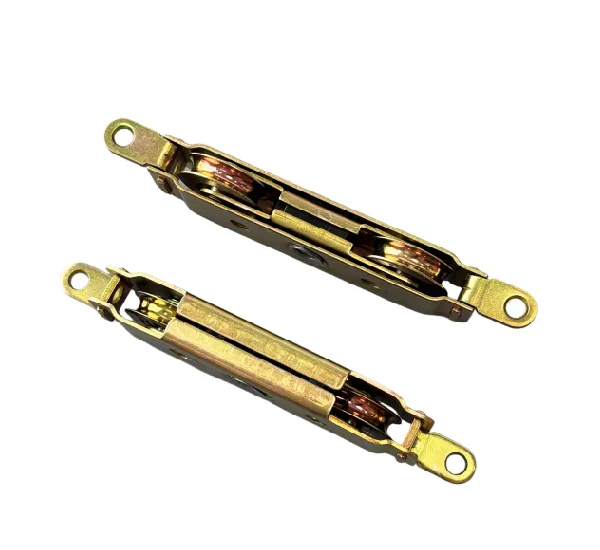
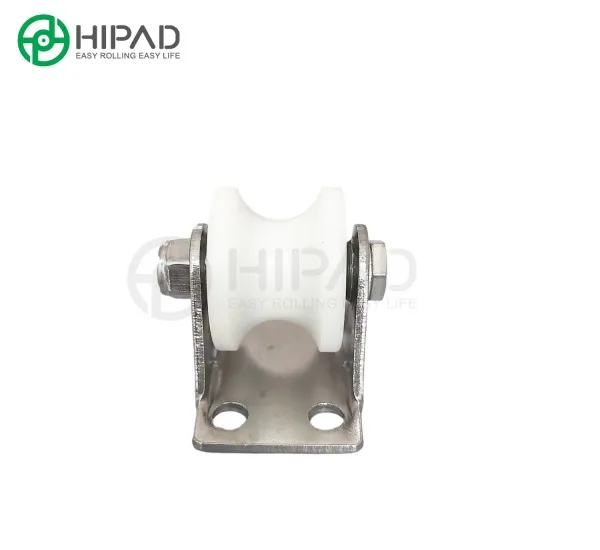
An adjustable bracket roller assembly should be specified by its mounting position, wheel arrangement, adjustment range and track interface. HIPAD’s supplied assembly reference includes side, bottom, top-hung and embedded arrangements, with single, double or multiple wheels and steel, nylon, zinc-alloy, bearing and plastic components. Those are configuration options, not a universal load rating; confirm the chosen assembly in the actual door profile.

The product reference lists several arrangements. A layout that fits one system may not suit another because the cavity, fixing access and track position change with the mounting location.
| Arrangement | Typical design question | Fit check before sample approval |
|---|---|---|
| Side-mounted bracket | Can the bracket reach the fixing surface without obstructing the door edge? | Check side clearance, screw access and wheel centerline |
| Bottom-mounted assembly | Does the door cavity allow adjustment from below? | Check recess depth, floor clearance and tool access |
| Top-hung assembly | Where does the track carry the load and how is the assembly retained? | Check head profile, retention and anti-lift details on the drawing |
| Embedded roller | Does the assembly fit inside the door section? | Check body envelope, reinforcement and replacement access |
Compared with selecting a loose wheel from a catalog, an assembly couples the wheel to its bracket, bearings and fixing method. The embedded roller guide covers cavity integration in more detail; the sliding-door roller selection guide discusses broader assembly options.
HIPAD’s supplied range includes single-, double- and multi-wheel assemblies. More wheels do not by themselves establish greater capacity or smoother operation. Their spacing, alignment, track profile and load sharing determine whether each wheel contacts as intended. Ask for the exact assembly drawing and its model-level duty information rather than assigning a load figure from wheel count.
For replacement work, measure the old assembly’s mounting holes, wheel centers, overall height and adjustment travel. Photograph the track section and provide the door profile. A visually similar bracket can position the wheel too high or low, changing the door reveal or allowing it to rub.

The source library lists steel, nylon, zinc alloy, bearings and plastic across the assembly family. It does not assign one material stack to every configuration. Specify wheel material and track contact, bracket material and finish, bearing arrangement, shaft details and exposure conditions for the particular model. Nylon, PU, POM or steel options may be relevant in related roller ranges, but do not assume every material is available in every bracket design.
Material selection involves tradeoffs. A metal wheel may not suit a track designed for a polymer contact surface, while a polymer wheel still needs the correct profile and environmental conditions. Corrosion performance cannot be inferred from a material name alone; request finish details and evidence appropriate to the installation.
Ask what dimension the adjustment changes: door height, lateral position, tilt or another alignment. Confirm its range and the tool needed to reach it after installation. Adjustment cannot compensate for a mismatched track, incorrect cavity or misplaced fixing holes. If the assembly is concealed, plan a repeatable access method for installation and service.
Test the production-intent assembly in the production-intent profile. Check door height and reveal at closed, partly open and fully open positions. Record rolling force, noise, lateral movement and whether the wheel remains centered on the track. Repeat after the final fasteners are tightened; clamping can shift some brackets from their free position.

The supplied reference does not publish a universal load rating, cycle life, price or certificate number for every adjustable bracket assembly. Ask for model-specific evidence and a quotation against the approved specification. For related wheel and bearing decisions, see the guía de rodamientos para ruedas de rodillo y la door roller bulk-project guide.
No. The bracket, wheel position and adjustment must match the door cavity and track. Confirm the exact profile with a drawing and sample.
No. Wheel count does not define a verified rating. Load sharing and the complete assembly require model-specific evidence.
Provide the old assembly, profile and track sections, fixing centers, wheel centers, door mass and adjustment requirement.
Do not use it as a substitute for track installation control. Correct the track geometry first, then adjust the door within the model’s specified range.
Para una muestra o cotización OEM, contacte con HIPAD with the profile and track drawings. The supplier evaluation guide can help document drawing and inspection controls across the rest of the hardware schedule.
Acerca del autor: Allen Wang is CEO and Founder of HIPAD. His supplied background describes manufacturing experience beginning in Qingdao bearing production in 1998 and work with international architectural-hardware buyers. This article uses HIPAD’s adjustable, bracket and hanging roller assembly references; model-level performance claims require separate evidence.
Responderemos en un plazo de 24 horas. Para solicitudes urgentes, contáctenos por WhatsApp/WeChat al +86 137 9191 8989 o llame directamente al mismo número.
*Respetamos la confidencialidad de su información y protegemos todos sus datos.
Usaremos su información únicamente para responder a su solicitud y nunca enviaremos correos no solicitados ni mensajes promocionales.